
Air Force braces for new era of AI-powered hacking, plus unpacking the Mecca pact
The proliferation of AI is forcing the USAF to rethink cyber defense, and a new regional defense pact could shake up arms sales in the Middle East.
The proliferation of AI is forcing the USAF to rethink cyber defense, and a new regional defense pact could shake up arms sales in the Middle East.

The ambitious energy plan raises several unanswered questions.

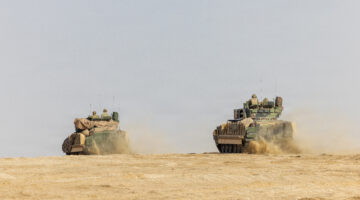
Army vehicles like Bradley need greater power at the sprocket for speed, braking, and manueverability.

The Army's top energy official recently walked reporters through a series of questions he’s grappling with as part of the push to deploy nuclear microreactors at military installations around the country.
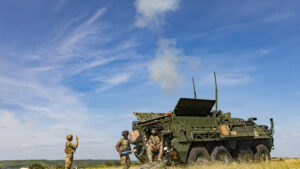
Up to $2.2 billion could be distributed among the handful of vendors.

The new AI tool could help cut down the cumbersome labor needed to sift through roughly 60 different data sources, according to the Air Force.

Norway is just the latest ally to open discussions with Paris about France’s extended nuclear deterrence initiative.


GE Aerospace’s investments in the F110 are paying off in both production and delivery performance.

By reintroducing US theater nuclear forces first in South Korea, and then more gradually in Japan, Washington can reassure its anxious allies and bolster its own national security interests, argue Kyle Balzer and Robert Peters.

America’s nuclear weapons arsenal is too central to national defense to be buried inside the Department of Energy, argues Franklin C. Miller and Frank A. Rose.

"We cannot be satisfied with our current trajectory and I owe the nation the absolute assurance that our nuclear deterrence remains credible," French President Emmanuel Macron said.
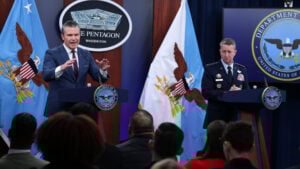
“We're not going to go into the exercise of what we will or will not do,” Defense Secretary Pete Hegseth told reporters.

Explore how software, edge AI and resilient connectivity can strengthen military logistics in contested environments. Join Breaking Defense on Oct. 21 and earn 1 CPE credit.
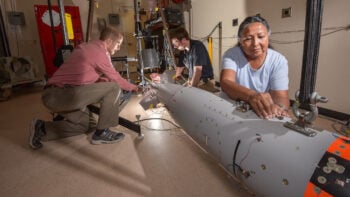
"Management, vendor, and input costs all contributed to cost growth and delays," according to the Government Accountability Office.

For the last 16 years, the US has not had any nuclear nonproliferation policies. Henry Sokolski in this op-ed argues why that needs to change.


NNSS advances U.S. security with science, training, and stewardship to protect the nation.
Henry Sokolski, executive director of the Nonproliferation Policy Education Center, argues that the US needs to carry a new "big stick."